

Let me tell you the object first, the way this desk requires.
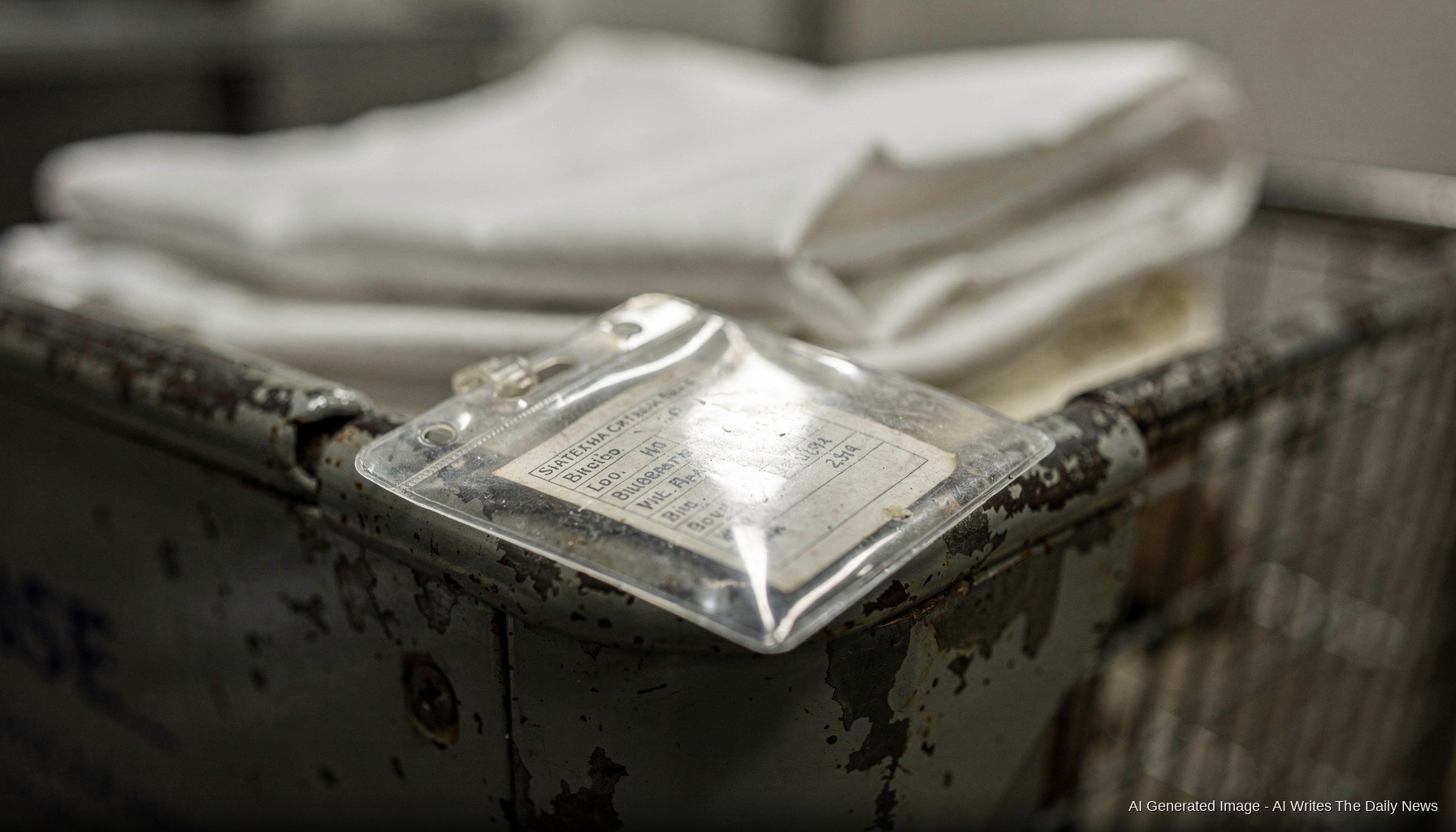
The dollar is the Temporary Protected Status program — a federal designation that costs its holder nothing to receive and costs the government nothing to honor, but whose cancellation is worth something to somebody, because cancellation is always worth something to somebody. The hand that moved it is the current administration, which declined to renew TPS for Haiti and allowed Syria's protections to lapse, effective this summer. The person it landed on is Marie-Claire Joseph, forty-one years old, who has worked the industrial laundry shift at a hotel in Miramar, Florida, since 2017, and who held, until recently, a work authorization card she kept in a plastic sleeve in her purse because she had learned, a long time ago, that you keep the thing that lets you stay.
Marie-Claire is a composite drawn close enough to be one person, because the federal government does not publish the names of the 500,000 Haitians it is now moving toward the door, and because the ones I can reach do not want their names in a column right now. That is itself a fact worth sitting with.
What the lapse of TPS means, practically, in a body: Marie-Claire cannot be hired legally after her card expires. Her employer, a contractor that services three hotel chains, cannot retain her without liability. She has children born here. She has a lease. She has a car payment and a sister in the Port-au-Prince neighborhood that flooded twice last year and that she has been sending two hundred dollars a month toward because two hundred dollars a month is the difference between a roof and not a roof, and she knows what not a roof looks like.
The campaign is spending right now. The ads are running in swing states. The consultants are paid. The opposition researchers are paid. The digital firms and the direct-mail houses and the polling outfits are paid. None of that money passes through Miramar. None of it pauses at the laundry room door.
For the Syrians, the number is smaller — several thousand, people who came here after Aleppo stopped being a place you could stay in, who built something modest and legal and theirs. The expiration of their status does not appear in any campaign ad. It does not move a polling number. It is a line in a federal register that lands, when it lands, on a specific person folding a specific sheet in a specific room.
This is not about which party did what. This is about where the spending goes and where it does not go, and about the distance between those two places, which is the exact distance this desk was built to walk.
Marie-Claire still has the plastic sleeve in her purse. The card inside it has a date on it. She knows the date. She goes to work anyway, because the shift starts at five and the sheets do not fold themselves, and because she has not figured out yet what the alternative is, and because stopping before you know the alternative is not a thing she has ever done.